
An effective company expense policy is a written document that defines which business expenses employees can claim, how much they can spend, what documentation is required, and how reimbursements are processed. It gives employees clear guidance before they spend and gives finance teams the structure they need to review and approve claims consistently. The sections below answer the most common questions companies face when building or refining their expense policy.
What should a company expense policy include?
A company expense policy should include a clear scope of covered expenses, spending limits by category, documentation requirements, the approval workflow, reimbursement timelines, and consequences for non-compliance. These elements together ensure every employee understands what is allowed, what proof is required, and what happens after they submit a claim.
Start with a scope statement that defines who the policy applies to: full-time employees, contractors, part-time staff, or all of the above. Then categorize expenses into logical groups such as travel, accommodation, meals, client entertainment, and equipment. For each category, specify what is covered, what is not, and any applicable spending limits.
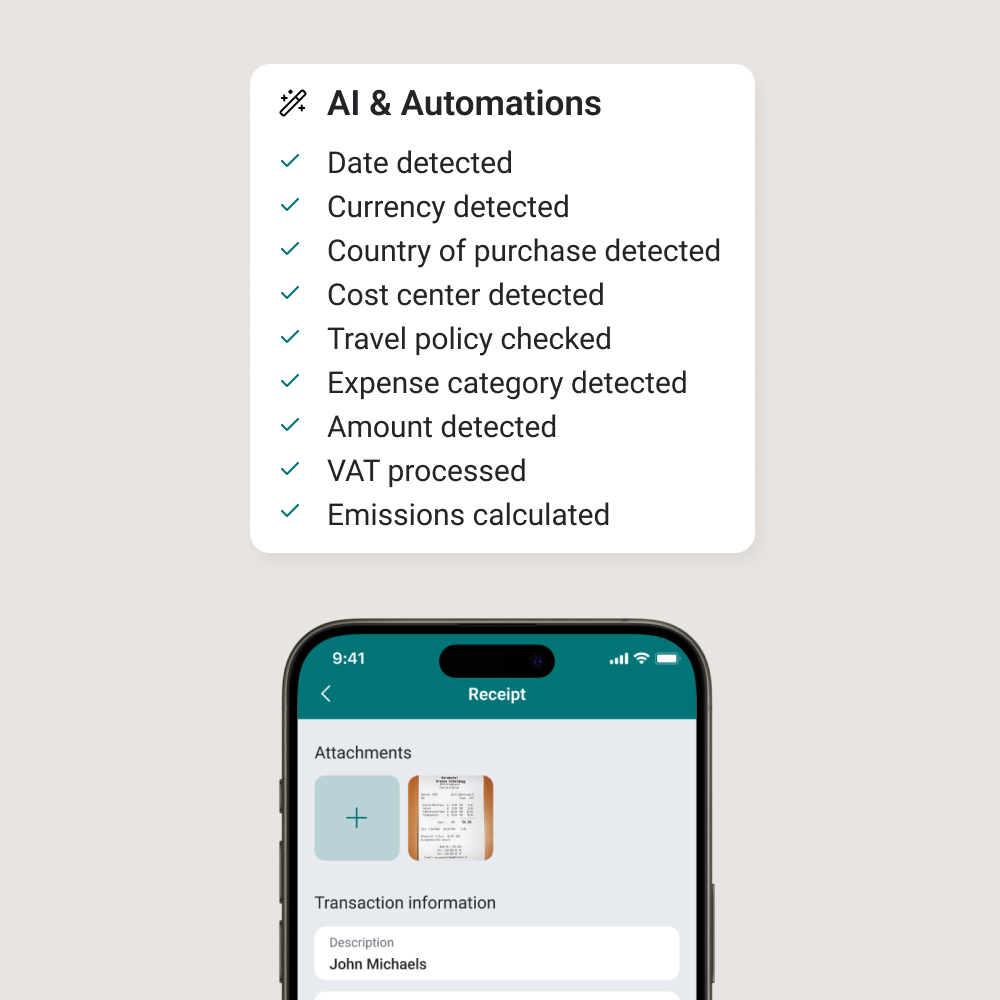
Documentation requirements deserve their own section. State whether original receipts are mandatory, whether digital copies are accepted, and what information a valid receipt must show. Many businesses now accept photos of receipts submitted through an expense management platform, which speeds up the process considerably.
Finally, the policy should describe the approval chain clearly. Who approves expenses under a certain threshold? Who handles larger claims? What is the expected reimbursement timeline once a claim is approved? Answering these questions inside the document prevents confusion and reduces back-and-forth between employees and the finance department.
How do you set realistic spending limits for employees?
Set spending limits by analyzing historical expense data, benchmarking against industry norms, and aligning limits with the actual cost of doing business in the locations where employees travel or work. Limits that are too low create friction and workarounds; limits that are too high undermine cost control.
A practical starting point is to pull your company’s own expense history and identify what employees typically spend in each category. If most business dinners cost between 40 and 60 euros per person, setting a per-meal limit in that range reflects reality. If your limit is 25 euros, employees will either pay out of pocket or find ways around the policy.
Location matters significantly. A daily hotel rate that is reasonable in a mid-sized Finnish city may be insufficient in London or Zurich. Consider setting tiered limits by city or country rather than a single global figure. For international companies operating across multiple markets, this kind of geographic differentiation is especially important.
Review limits annually or whenever there is a meaningful change in business travel costs. Inflation, shifts in company strategy, and new markets all affect what constitutes a reasonable limit. Involving department heads in the review process helps ensure limits reflect operational realities rather than being set arbitrarily by finance alone.
What expenses are typically not reimbursable?
Expenses that are typically not reimbursable include personal purchases, alcohol consumed outside of approved client entertainment, fines and penalties, first-class upgrades when economy is available, and expenses that lack proper documentation. Most employee expense policies also exclude costs that arise from personal negligence or that benefit the employee rather than the business.
Being explicit about non-reimbursable expenses is just as important as listing what is covered. Without a clear exclusion list, employees may submit claims in good faith for items the company never intended to cover, creating awkward rejections and eroding trust in the process.
Common exclusions worth spelling out in a business expense policy include:
- Personal travel extensions added to business trips
- Minibar charges and in-room movies
- Gym fees and spa treatments during business travel
- Gifts for personal use or outside approved gifting budgets
- Traffic fines or parking violations
- Expenses submitted after the claims deadline without a valid reason
The goal is not to be punitive but to remove ambiguity. When employees know in advance what will not be reimbursed, they make better spending decisions and submit cleaner claims.
How do you get employees to actually follow the expense policy?
Employees follow an expense policy when it is easy to understand, easy to comply with, and actively enforced. Policies that are buried in an intranet, written in legal language, or require excessive manual steps will be ignored or worked around regardless of their content.
Clarity is the first requirement. Write the policy in plain language and keep it concise. If employees need to read a 20-page document to understand what they can claim for a business lunch, most of them will not read it at all. A one-page summary with links to the full document for edge cases is far more effective.
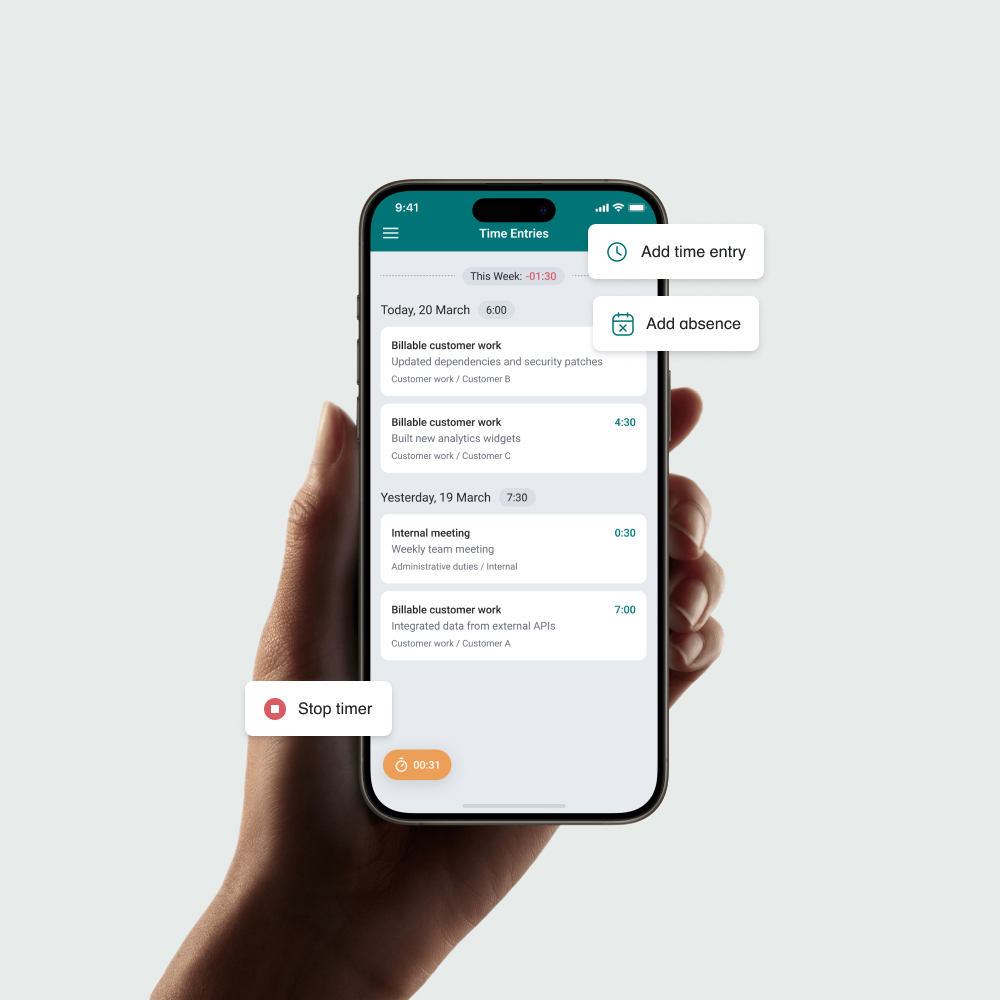
Tooling matters as much as the written policy. When submitting an expense requires photographing a receipt, entering a few details, and selecting an expense category in a mobile app, compliance rates rise because the process is simple. When it requires printing forms, attaching paper receipts, and emailing a manager, employees delay or skip submissions entirely.
Consistent enforcement reinforces the policy over time. If certain employees regularly submit non-compliant claims without consequence, others will follow. Approvers should reject non-compliant claims with a clear explanation rather than approving them to avoid conflict. Automated reminders for missing receipts and regular reporting on expense trends also help finance teams catch patterns before they become systemic problems.
How often should a company expense policy be updated?
A company expense policy should be reviewed at least once a year and updated whenever there is a significant change in tax regulations, business operations, or travel costs. Annual reviews prevent the policy from becoming outdated, while trigger-based updates ensure it stays accurate when circumstances change unexpectedly.
In 2026, expense reimbursement policy updates are also driven by changes in how and where people work. Remote work arrangements, cross-border hiring, and new categories of business tools mean that policies written even two or three years ago may not reflect current employee needs or regulatory requirements.
Key triggers that should prompt an immediate policy review include:
- Changes in local tax rules affecting per diem rates or mileage reimbursement
- Expansion into new countries with different compliance requirements
- Introduction of company credit cards or a new expense management platform
- Significant changes in business travel volume or employee headcount
- Recurring patterns of policy disputes or rejected claims
When you update the policy, communicate the changes directly to employees rather than simply replacing the document on the intranet. A short summary of what changed and why helps employees understand the rationale and adopt the new rules more readily. Platforms like Bezala can support policy enforcement by embedding rules directly into the expense submission process, so updates take effect immediately without relying on employees to reread documentation.
This content was generated with the help of AI and it may contain mistakes