

Automated expense management is important for businesses in 2026 because it eliminates the manual work, errors, and delays that make traditional expense processes costly and unreliable. As finance teams face growing pressure to close faster, maintain tighter compliance, and support distributed workforces, automation turns expense reporting from an administrative burden into a streamlined, auditable workflow. The sections below answer the most common questions businesses are asking about expense automation right now.
What are the biggest inefficiencies in manual expense management?
Manual expense management creates inefficiencies through slow processing, human error, and poor visibility. Employees spend time collecting paper receipts and filling out spreadsheets, approvers chase missing information, and finance teams re-enter data into accounting systems by hand. Each of these steps multiplies the risk of mistakes and delays reimbursements, which affects employee satisfaction and financial accuracy alike.
The core problem is that manual processes are fragmented. A receipt captured on a business trip exists as a physical document until someone photographs it, attaches it to a form, emails it to a manager, and waits for approval before it reaches accounting. At every handoff, information can be lost, duplicated, or miscategorised. For businesses with employees across multiple locations or countries, these gaps compound quickly.
Policy enforcement is another common failure point. When expense rules exist only in a policy document rather than being built into the submission workflow, employees and approvers alike can miss them. This leads to out-of-policy claims being approved, which increases costs and creates compliance risks that only surface during audits.
How does automated expense management actually work?
Automated expense management works by digitising and connecting every step of the expense lifecycle, from receipt capture to accounting entry, using software that applies rules, routes approvals, and syncs data automatically. Instead of manual handoffs, the system handles data extraction, policy checking, approval routing, and financial reporting without requiring employees or finance teams to manage the process step by step.
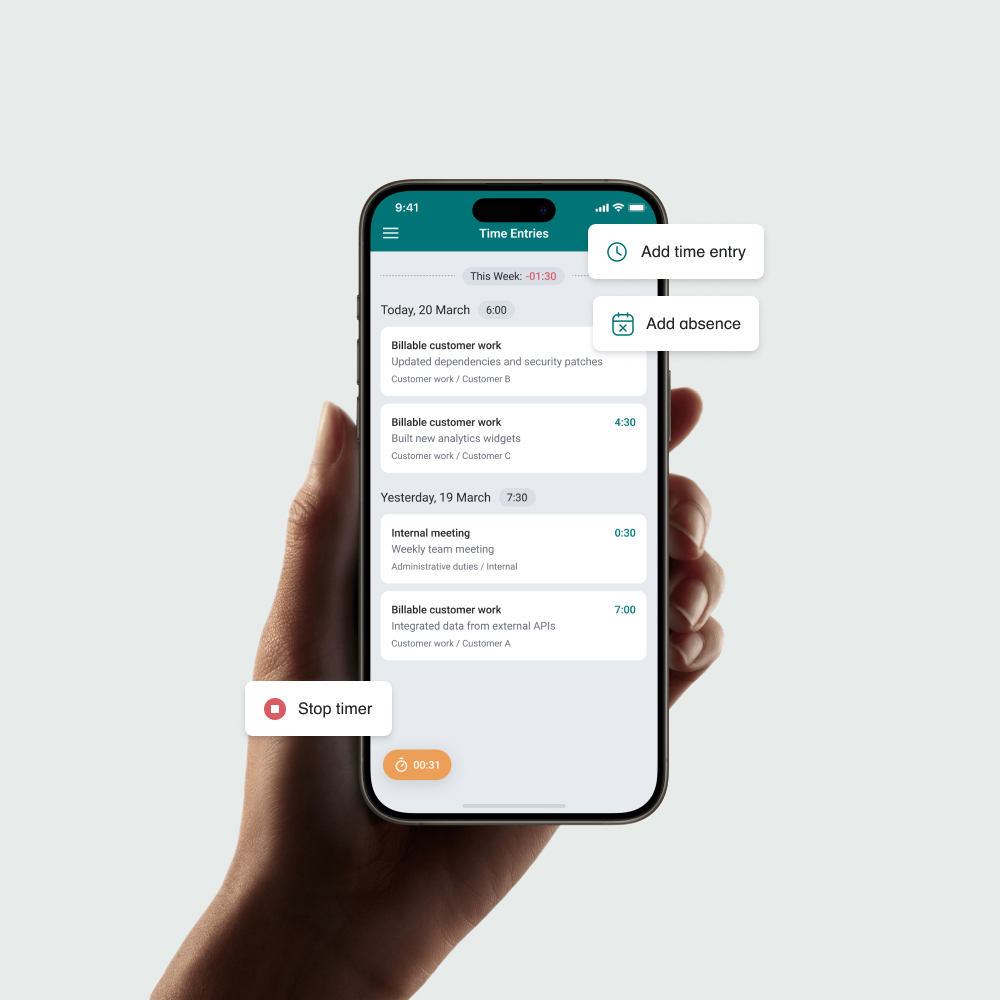
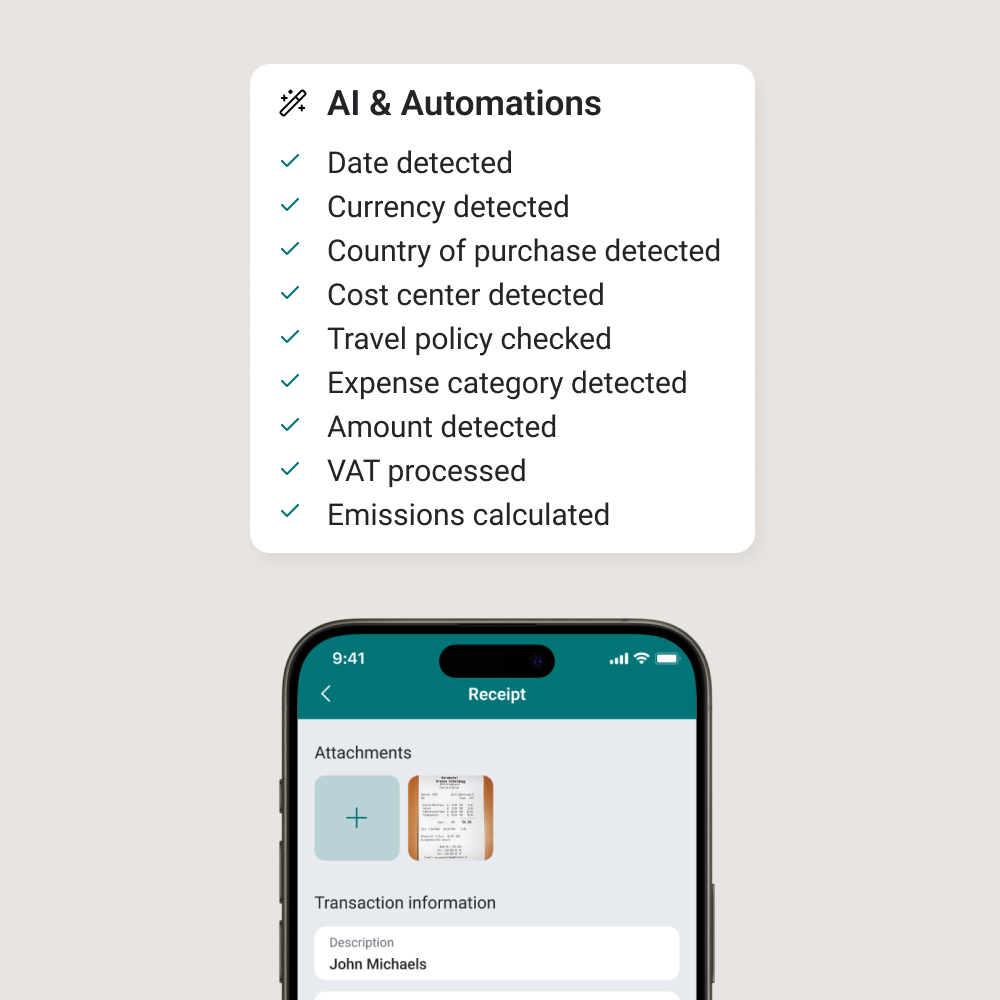
The process typically begins at the point of spending. An employee takes a photo of a receipt using a mobile app, and the platform’s receipt scanner reads the merchant name, date, amount, and currency automatically. For mileage claims, an integrated map feature calculates the distance and applies the correct reimbursement rate. Per diem allowances are calculated based on travel destination and duration, removing the need for manual lookup.
Once an expense is submitted, the system routes it through the correct approval chain based on the organisation’s rules, notifies approvers, and sends reminders for outstanding actions. Approved expenses are then pushed directly into the connected accounting or ERP system, eliminating duplicate data entry. Platforms like Bezala extend this further by integrating with systems such as NetSuite, Business Central, and Procountor, so that approved expenses land in the right accounts automatically.
What are the main benefits of automating expense management?
The main benefits of automating expense management are faster reimbursements, lower processing costs, fewer errors, and better financial visibility. Businesses that replace manual workflows with automated expense tracking reduce the time finance teams spend on data entry and reconciliation, and give decision-makers real-time insight into where company money is being spent.
Speed is one of the most immediate gains. When receipt data is captured and routed automatically, the time between an employee making a purchase and that transaction appearing in the company’s accounts shrinks from days or weeks to hours. This matters for month-end closing, cash flow forecasting, and employee satisfaction.
Cost reduction follows from efficiency. Fewer manual steps mean fewer hours spent on administrative tasks across the entire organisation, from the employee submitting the claim to the accountant reconciling the ledger. Automated policy enforcement also reduces the volume of out-of-policy claims that get approved, which directly cuts unnecessary spend.
Visibility is the strategic benefit that often gets overlooked. When all expense data flows through a single platform, finance leaders can see spending patterns by department, project, or employee in real time. This makes it easier to identify budget overruns early, negotiate with suppliers based on actual usage data, and make informed decisions about travel and operational budgets.
How does expense automation support compliance and tax reporting?
Expense automation supports compliance and tax reporting by enforcing spending policies at the point of submission, maintaining a complete and auditable record of every transaction, and generating reports that align with local tax authority requirements. This reduces the risk of non-compliant claims being approved and makes it significantly easier to prepare accurate VAT reclaims, per diem declarations, and mileage deductions.
Tax compliance in particular benefits from automation because the rules vary by country and change regularly. A platform that handles per diem calculations automatically, applies the correct mileage rates by jurisdiction, and integrates directly with tax authorities removes a significant burden from finance teams managing employees across multiple countries. For international businesses, the ability to configure approval flows and compliance rules per country is essential rather than optional in 2026.
Audit readiness is another direct outcome. Because automated systems timestamp every action, store original receipt images, and log who approved what and when, the complete expense history is available on demand. This makes internal audits faster and external regulatory reviews far less disruptive than they are when records are spread across email threads and spreadsheets.
What should businesses look for in an expense management platform?
Businesses should look for an expense management platform that combines ease of use for employees, strong policy controls for finance teams, and deep integrations with their existing accounting and ERP systems. The platform should handle the full expense lifecycle, including receipt capture, mileage and per diem automation, multi-currency support, and direct reporting to tax authorities, without requiring significant IT effort to configure or maintain.
Ease of adoption matters more than feature depth in isolation. A platform that employees find difficult to use will see low submission rates, which defeats the purpose of automation. Look for mobile-first design, a receipt scanner that works reliably in real-world conditions, and clear submission workflows that guide employees through the process without training overhead.
Integration capability is equally critical. The platform needs to connect with the accounting, ERP, and HR systems already in use so that approved expenses flow directly into the right accounts without manual re-entry. Businesses operating in multiple countries should also confirm that the platform supports country-specific compliance settings and approval flows, since a one-size-fits-all configuration rarely meets local regulatory requirements.
Finally, the pricing structure deserves scrutiny. A usage-based model, where fees are only charged in months when the platform is actively used, is a more cost-effective approach for organisations with seasonal travel patterns or variable headcount than a flat per-seat subscription that charges for inactive users. Evaluating total cost of ownership, including the time saved across employees, approvers, and finance teams, gives a much clearer picture of the value a platform delivers than the licence fee alone.
This content was generated with the help of AI and it may contain mistakes